


Author: Dr. Maralani
-
Weak Financial Forecasting
by :
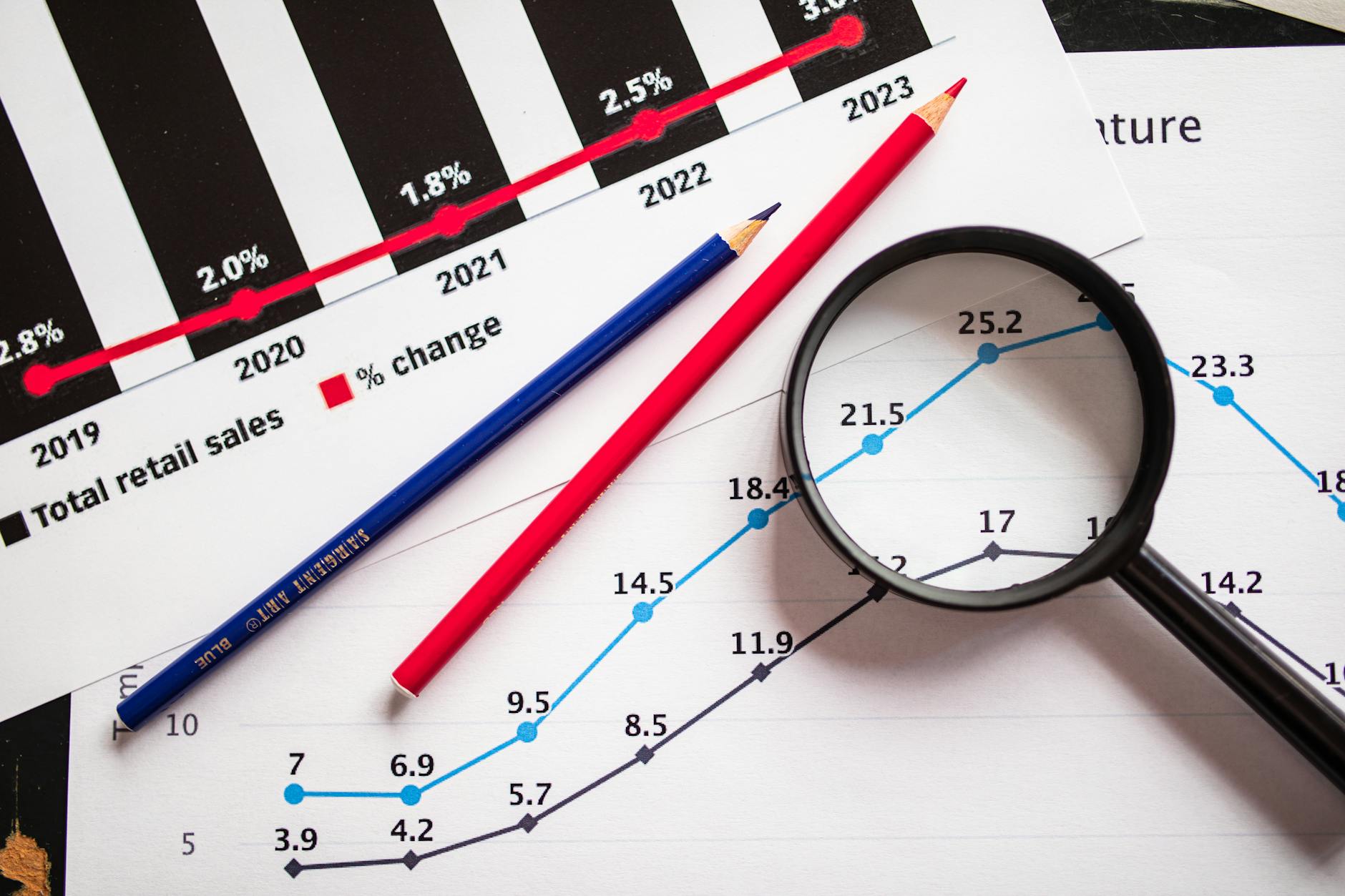
Weak financial forecasting hampers organizations’ ability to plan and manage risks effectively, leading to inaccurate forecasts and inconsistent data usage. By treating forecasting as a continuous management tool, companies can enhance accuracy, integrate data, and adapt to changes, ultimately improving decision-making and reducing uncertainty. Exploring strategies for effective forecasting is essential.
-
Overexpansion During Growth
by :

Businesses often face challenges when overexpanding, leading to operational strain, financial risk, and declining performance. Rapid expansion without adequate support can result in excess costs and cash flow issues. This guide emphasizes managing growth sustainably, aligning ambitions with capabilities, and ensuring the right structure and processes are in place for long-term success.
-
Limited Access to Capital
by :

Limited access to capital poses a significant challenge for businesses, hindering growth and investment. Poor financial performance, high-risk perceptions, and market uncertainty contribute to funding difficulties. A proactive approach to finance, focused on transparency and strategy, can improve access to capital, enabling organizations to seize opportunities and adapt to changes effectively.
-
High Fixed Cost Structures
by :

High fixed cost structures can pressure businesses by raising the revenue needed for profitability and limiting flexibility during demand fluctuations. As organizations grow, their investments in infrastructure and personnel often accumulate without proper assessment, increasing financial risk. Effective management of cost structures can enhance flexibility and financial resilience, allowing companies to adapt to changing conditions…
-
Cash Flow Instability
by :

Cash flow instability poses significant challenges for businesses, impacting operations, investment planning, and financial control. Irregular cash inflows and outflows can strain resources, even when revenue appears strong. Effective cash flow management through structured monitoring and alignment with operational needs enhances stability, allowing for greater control and reduced reliance on external financing.
-
Failure to Enter New Markets
by :

Organizations face significant challenges in entering new markets, which limits growth and strategic flexibility. A lack of clear strategies, internal capabilities, and understanding of market dynamics often hinder expansion efforts. Effective market entry requires a structured approach to assess opportunities, align strengths, and plan carefully, unlocking new growth sources and reducing market dependence.
-
Innovation Stagnation
by :

Innovation stagnation hinders an organization’s ability to develop new ideas and respond to market changes, often resulting from a reliance on past successes. This can lead to diminished competitiveness and growth. To counter this, companies should adopt structured innovation strategies that encourage idea generation and experimentation while aligning efforts with strategic priorities.
-
Difficulty Launching New Products
by :

Organizations often face challenges in launching new products, impacting growth and innovation. Issues arise from unclear processes, slow development cycles, and poor team alignment, leading to missed opportunities. A structured approach to product development and launches enhances speed and success rates, allowing businesses to stay competitive and meet customer needs effectively.
-
Poor Pricing Strategy
by :

A poor pricing strategy impacts revenue, profitability, and market positioning. Organizations often focus on cost or competitors instead of customer value, leading to inconsistent pricing. Effective pricing aligns with value delivery, enhances competitiveness, and improves financial performance. A well-defined strategy can reduce discounting and strengthen a company’s market presence.
-
Low Customer Lifetime Value
by :

Low customer lifetime value restricts business growth and profitability, necessitating continuous high customer acquisition costs. Organizations often overlook the importance of retaining existing customers, missing chances for repeat sales and enhanced experiences. Improving customer lifetime value can boost efficiency and stability, fostering stronger, more profitable relationships and reducing dependence on new customer acquisition.
Recent Posts


Topics
- Artificial Intelligence
- Business
- Business Challenge
- Business Strategy
- Communication
- Digital Transformation
- Engineering
- Finance
- General
- Healthcare
- Human Resources
- Information Technology
- Interviews
- Knowledge Work
- Marketing
- Software Development
- Technology
- The AI Shift
Keywords