


Blog
-
Who Will Convert Technology into Growth
by :

Successful technology leadership depends not only on invention but also on effectively converting capabilities into broad economic growth. The future economic prowess of nations like the US, China, and Europe relies on their ability to link research, infrastructure, and adoption, while overcoming limitations in scaling and productivity.
-
The New Geography of Business
by :
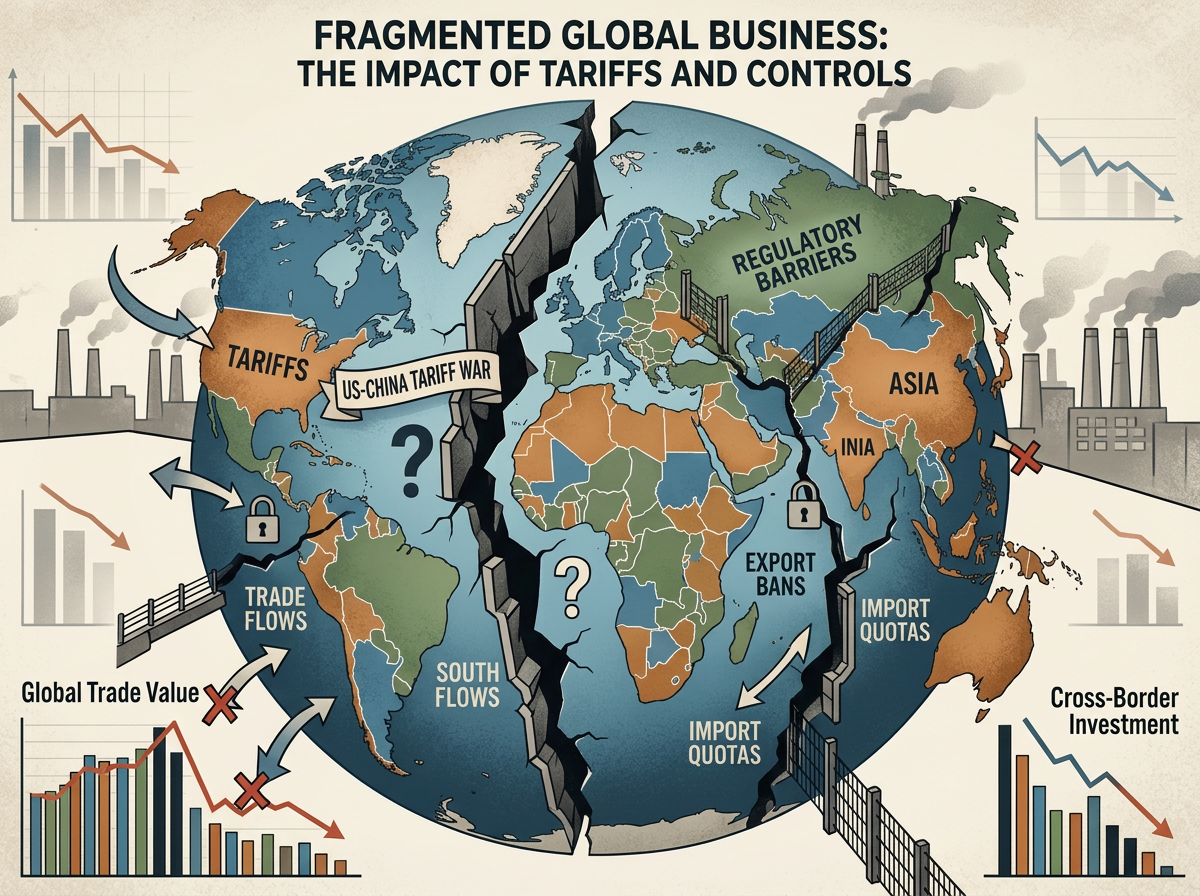
Globalization is evolving rather than ending, as market access now hinges on tariffs, technology controls, and political relationships. Businesses must adapt to these shifting conditions by understanding the intricate flows of products and technologies, rather than simply reshoring or categorizing countries. Effective management requires scrutinizing these complexities to maintain competitiveness.
-
Geopolitics Enters the Operating Model
by :

Geopolitical factors are now central to corporate decision-making, influencing market access, supply chains, and workforce planning. Companies must shift from crisis prediction to understanding dependencies on external permissions and policies. Effective management requires identifying critical assumptions, assessing resilience options, and adapting to external changes to maintain competitive advantage.
-
The Consulting Pyramid Is Cracking: Why AI, Market Pressure, and Client Skepticism Are Reshaping the Advisory Business

The management consulting model is undergoing significant transformation due to AI adoption, client skepticism, and changing demand patterns. Traditional structures face pressure as clients increasingly question value and seek internal solutions. Firms must adapt by combining human expertise with AI, focusing on trust and implementation, while shifting away from outdated billing practices to maintain their…
-
Unclear AI Strategy: Why Many Businesses Struggle to Turn AI Into Real Business Value
Many organizations are investing in AI without a clear strategy, resulting in scattered pilots, wasted budgets, and little measurable business impact. The core problem is not the technology itself but the absence of cross-functional alignment, defined goals, and leadership accountability that connects AI efforts to real business outcomes. Sustainable AI adoption requires honest assessment of…
-
Maximizing AI in Structured Business Strategy
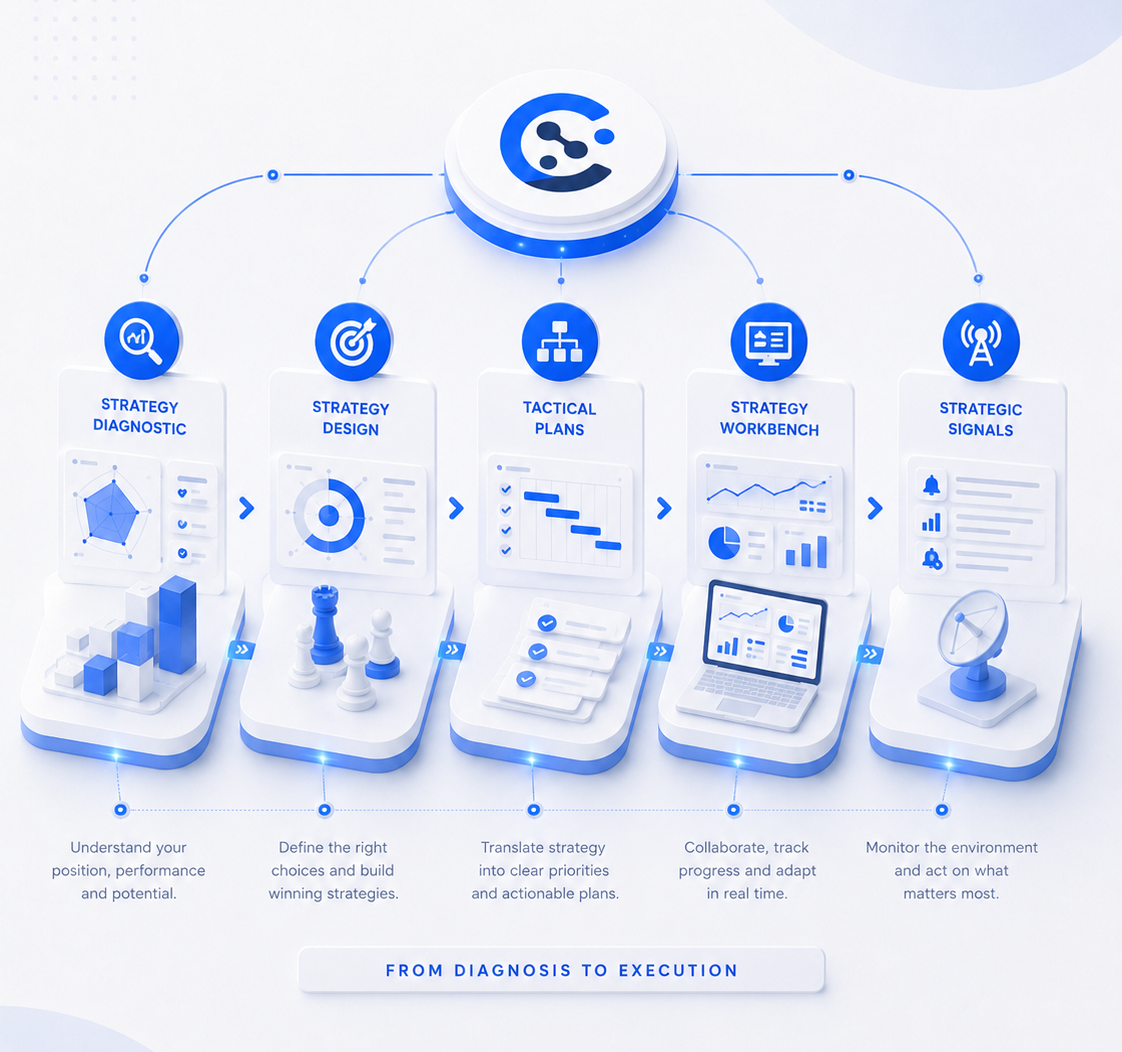
Generative AI tools have become prevalent in professional knowledge work, yet their effectiveness in business strategy is hindered by a lack of structured workflows. Cogliva aims to integrate AI within management processes, promoting continuity from diagnosis to execution. The future lies in utilizing AI for deeper, more connected decision-making rather than isolated responses.
-
Interview with Interface Magazine Issue 62
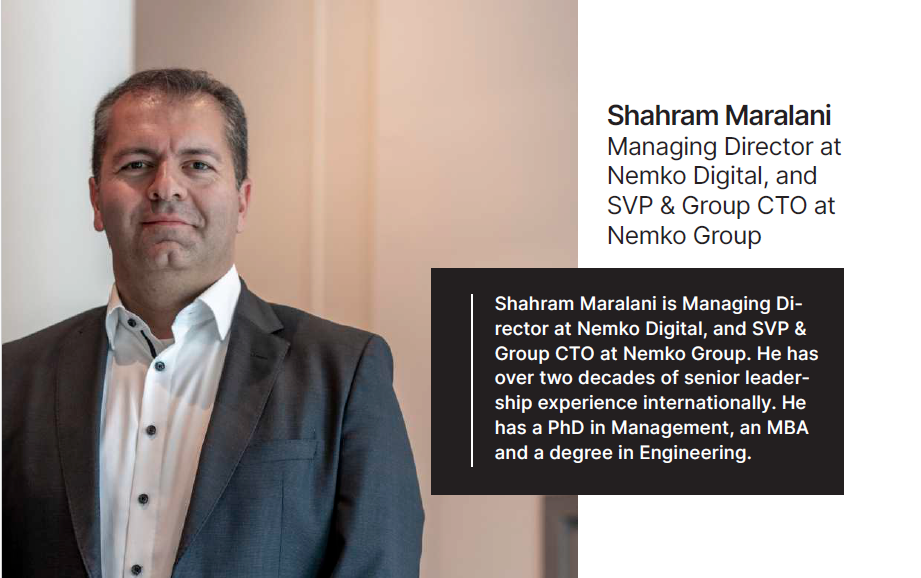
Nemko Digital, part of a Norwegian certification company, is pioneering AI governance and trust, emphasizing ethical AI use amid growing regulatory concerns. With their AI Trust Mark, they aim to guide organizations in demonstrating the safety and reliability of AI technologies. As AI evolves, continuous monitoring and transparent practices are essential for maintaining trust.
-
IPO vs Direct Listing: Choosing the Right Path to Public Markets
by :

Many companies face challenges deciding between an IPO and a direct listing to go public. Each option has unique implications for ownership, capital, and market dynamics. A strategic alignment with company objectives, maturity, and readiness is crucial for making the right choice, as premature public entry can introduce unforeseen risks and pressures.
-
How Businesses Get Funded: From First Idea to Market Expansion
by :

Many businesses face challenges in choosing the right funding options due to unclear understanding of their growth stage and needs. Early-stage firms often seek funding prematurely, risking ownership dilution, while later-stage companies may raise unnecessary capital without a clear plan. Matching funding types with business strategy is vital for sustainable growth.
-
Brand Reputation Risks
by :

Brand reputation risks can significantly impact customer perception and business performance. These risks often emerge from inconsistent experiences and poor communication. Organizations must proactively manage their reputation by monitoring perceptions, aligning actions with expectations, and responding swiftly to issues. Effective reputation management fosters trust and supports long-term success.
Recent Posts


Topics
- Artificial Intelligence
- Business
- Business Challenge
- Business Strategy
- Communication
- Digital Transformation
- Engineering
- Finance
- General
- Healthcare
- Human Resources
- Information Technology
- Interviews
- Knowledge Work
- Marketing
- Monthly Strategy Briefing
- Podcast
- Software Development
- Technology
- The AI Shift
Keywords