


Blog
-
Limited Supply Chain Visibility
by :

Limited supply chain visibility hampers organizations’ ability to make informed decisions, leading to delays and inefficiencies. This challenge arises from fragmented data and poor integration of systems. Improving visibility through better data flow and communication with suppliers enables proactive management, enhancing control and responsiveness in operations.
-
Operational Disruptions
by :

Operational disruptions can significantly hinder business activities, impacting product and service delivery. These may arise from internal or external factors and can escalate if not managed with clear contingency plans. Organizations that improve their preparedness and response capabilities are better positioned to minimize disruptions’ effects, ensuring sustained performance and resilience.
-
Global Sourcing Risks
by :

Global sourcing offers cost benefits and access to specialized resources but also presents risks such as supply chain disruptions, regulatory differences, and geopolitical factors. Organizations must manage these risks effectively by diversifying sourcing strategies and enhancing supplier visibility to ensure stability and resilience in their operations.
-
Logistics and Distribution Challenges
by :

Logistics and distribution inefficiencies can hinder business performance and customer satisfaction by causing delays and increased costs. A structured approach to optimize these processes is necessary, focusing on improving coordination and visibility to enhance reliability and efficiency. Organizations can thus support growth and improve service quality effectively.
-
Inventory Instability
by :

Inventory instability severely impacts businesses, causing shortages and excess stock that increase costs and disrupt operations. This guide emphasizes improving inventory management by aligning demand forecasting with supply capabilities and enhancing coordination among functions. Effective management stabilizes inventory, boosts efficiency, reduces costs, and improves customer service.
-
Supply Chain Disruptions
by :

Supply chain disruptions pose significant challenges to businesses by affecting delivery and production timelines. These disruptions, stemming from various sources, necessitate organizations to enhance their resilience and adaptability. Companies should develop contingency plans, improve visibility, and explore alternative sourcing options to mitigate impacts and maintain operations effectively.
-
Supplier Dependency Risks
by :
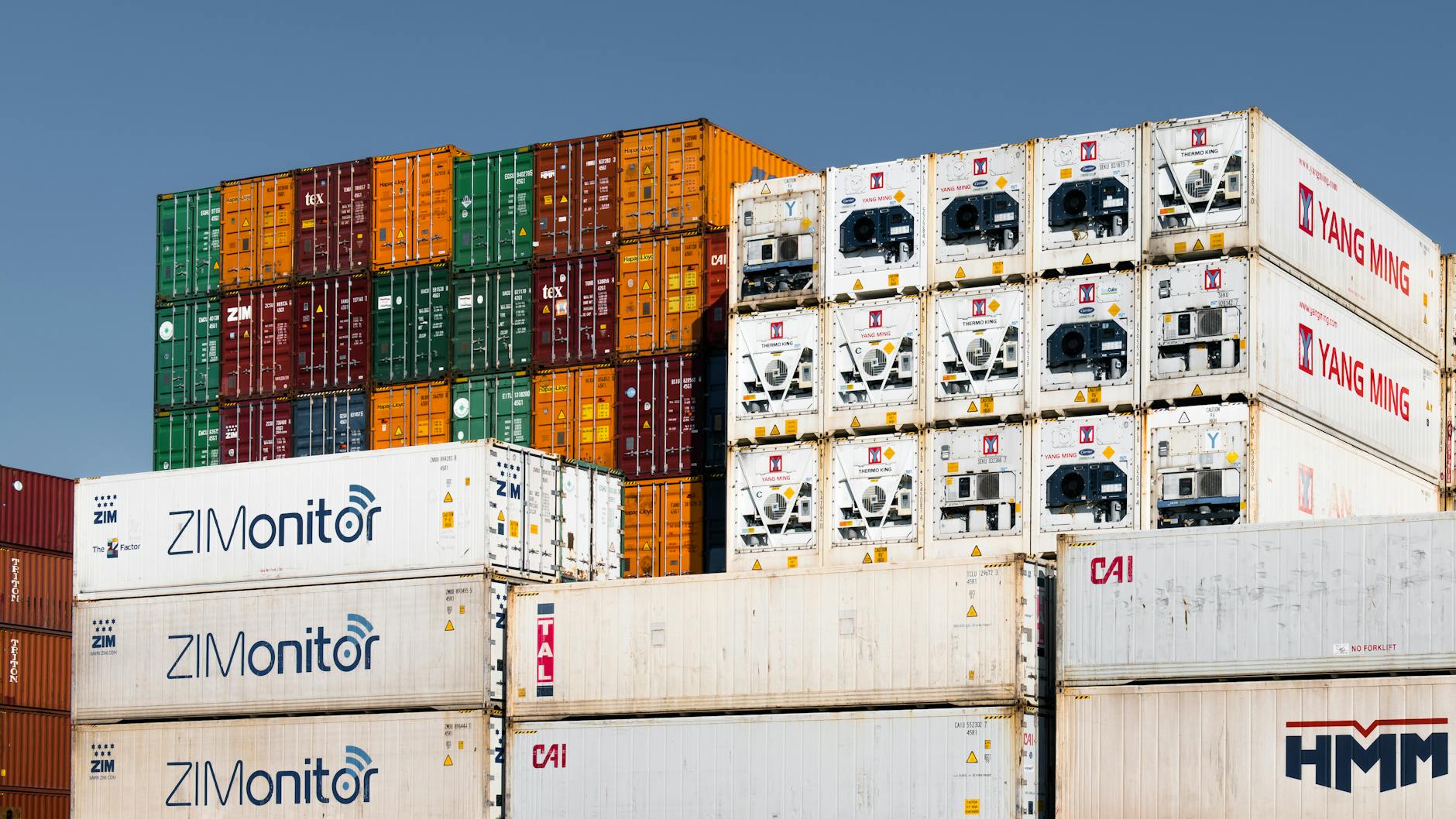
Businesses face risks from supplier dependency, which can compromise operational stability despite initial cost savings. This guide advises organizations to assess supplier concentration risks and diversify their supplier base to enhance resilience and continuity. Effective strategies include developing contingency plans and improving supply chain visibility to mitigate disruptions.
-
Fragile Supply Chains
by :

Fragile supply chains pose significant risks to businesses, exposing them to disruptions due to over-optimization for cost and efficiency. This guide emphasizes the importance of balancing efficiency with resilience by diversifying suppliers and improving visibility. Strengthening supply chain resilience ensures operational continuity and responsiveness during disruptions, enhancing overall reliability.
-
Misaligned Incentives in the Organization
by :

Misaligned incentives within organizations hinder decision-making and performance by promoting behaviors that do not align with overall objectives. This often results from disconnection between performance metrics and strategic priorities, creating silos and reducing collaboration. Organizations can enhance effectiveness by aligning incentives with their strategic goals, fostering coordination and long-term success.
-
Internal Resistance to Change
by :

Internal resistance to change hinders organizational progress and adaptation. This resistance stems from uncertainty, lack of clarity, and past failures. Successful change management involves clear communication, employee engagement, and aligned leadership. Addressing resistance enhances change initiatives, allowing organizations to implement changes effectively and sustain momentum in dynamic environments.
Recent Posts


Topics
- Artificial Intelligence
- Business
- Business Challenge
- Business Strategy
- Communication
- Digital Transformation
- Engineering
- Finance
- General
- Healthcare
- Human Resources
- Information Technology
- Interviews
- Knowledge Work
- Marketing
- Monthly Strategy Briefing
- Podcast
- Software Development
- Technology
- The AI Shift
Keywords