Essay · 13 April 2026
Energy Supply Disruptions
Energy supply disruptions pose significant challenges to businesses, impacting operations and increasing risks. Factors such as infrastructure issues and external events can compromise stability. Organizations need to assess their energy dependencies, explore alternatives, and implement contingency plans to ensure continuity and manage costs effectively amidst disruptions. This guide offers strategies for enhancing resilience.
Dr. Maralani
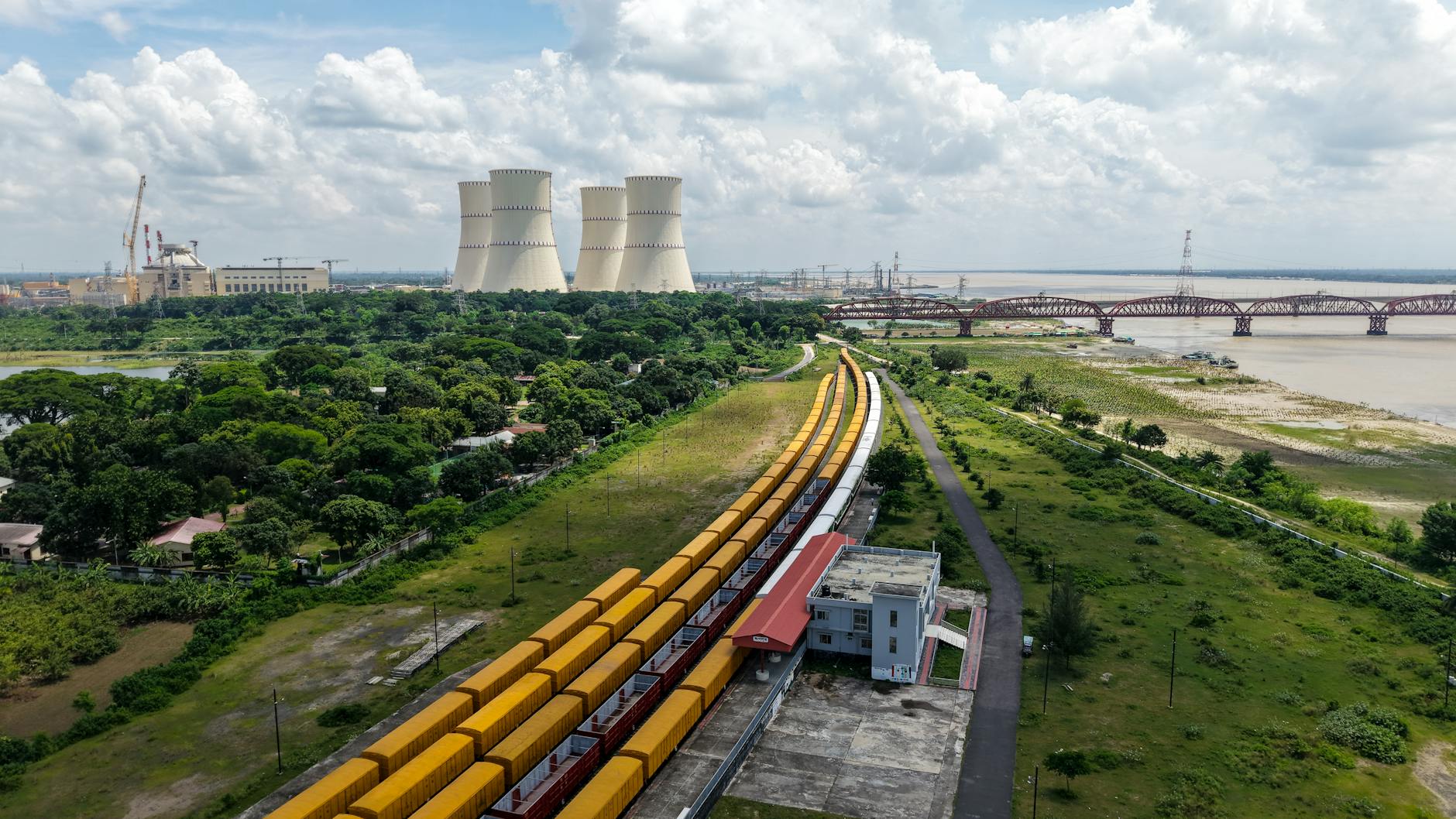
Energy supply disruptions represent a profound challenge to operational continuity, often manifesting as structural instabilities within the logistics and fulfillment framework. When energy flows become unreliable, the resulting volatility transcends simple procurement hurdles, threatening the fundamental reliability of delivery and the long-term integrity of the business model.
How it shows up
- The organization treats recurring logistical failures as isolated incidents rather than symptoms of a systemic energy or fulfillment vulnerability.
- Executive deliberations frequently gravitate toward unresolved distribution bottlenecks without achieving a definitive correction or strategic pivot.
- Key performance metrics begin to deviate from historical norms, becoming increasingly difficult for functional heads to explain or justify through standard operational logic.
What usually sits underneath
At the core of these disruptions lies a lack of rigorous ownership and a deficiency in the management attention required to address fulfillment complexity. Accountability for the ultimate business outcome remains fragmented across departments, leaving a vacuum where clear decision-making should reside. This is often compounded by a lack of formal routines and misaligned incentives, which prevents the organization from detecting emerging supply imbalances before they escalate into material crises.
Questions leadership should ask
- What specific evidence confirms that current fulfillment disruptions are exerting a material influence on our broader commercial results?
- Who holds the primary mandate for stabilizing the logistics chain, and do they possess the decision rights necessary to enforce cross-functional change?
- Does this challenge stem from a fundamental flaw in the operating model, or is it a localized deficiency in capability and technological infrastructure?
Common wrong responses
A frequent error among senior leadership is the narrow pursuit of cost optimization at the expense of systemic resilience. By focusing exclusively on immediate financial efficiency, organizations often inadvertently increase their exposure to supplier dependency and quality degradation. This tactical approach fails to account for the hidden costs of fragility, leaving the enterprise unprepared for the inevitable volatility inherent in global energy and logistics networks.
How to approach it
To navigate these disruptions, leadership must apply a series of rigorous analytical lenses that move beyond simple troubleshooting. The first is a supply chain risk map, which visualizes dependencies and identifies the nodes most vulnerable to energy shocks. This must be paired with a comprehensive business continuity plan review to ensure that mitigation strategies are both current and actionable. Finally, a quality and asset reliability analysis provides the necessary technical depth to understand how energy instability affects operational output, ensuring that the response is grounded in the reality of the firm’s physical and logistical constraints.
Diagnose this challenge
This brief draws on the structured challenge library in Cogliva, where the challenge can be diagnosed in the context of your organisation. To discuss it directly, see Advisory or Inquire.