Essay · 13 April 2026
Logistics and Distribution Challenges
Logistics and distribution inefficiencies can hinder business performance and customer satisfaction by causing delays and increased costs. A structured approach to optimize these processes is necessary, focusing on improving coordination and visibility to enhance reliability and efficiency. Organizations can thus support growth and improve service quality effectively.
Dr. Maralani
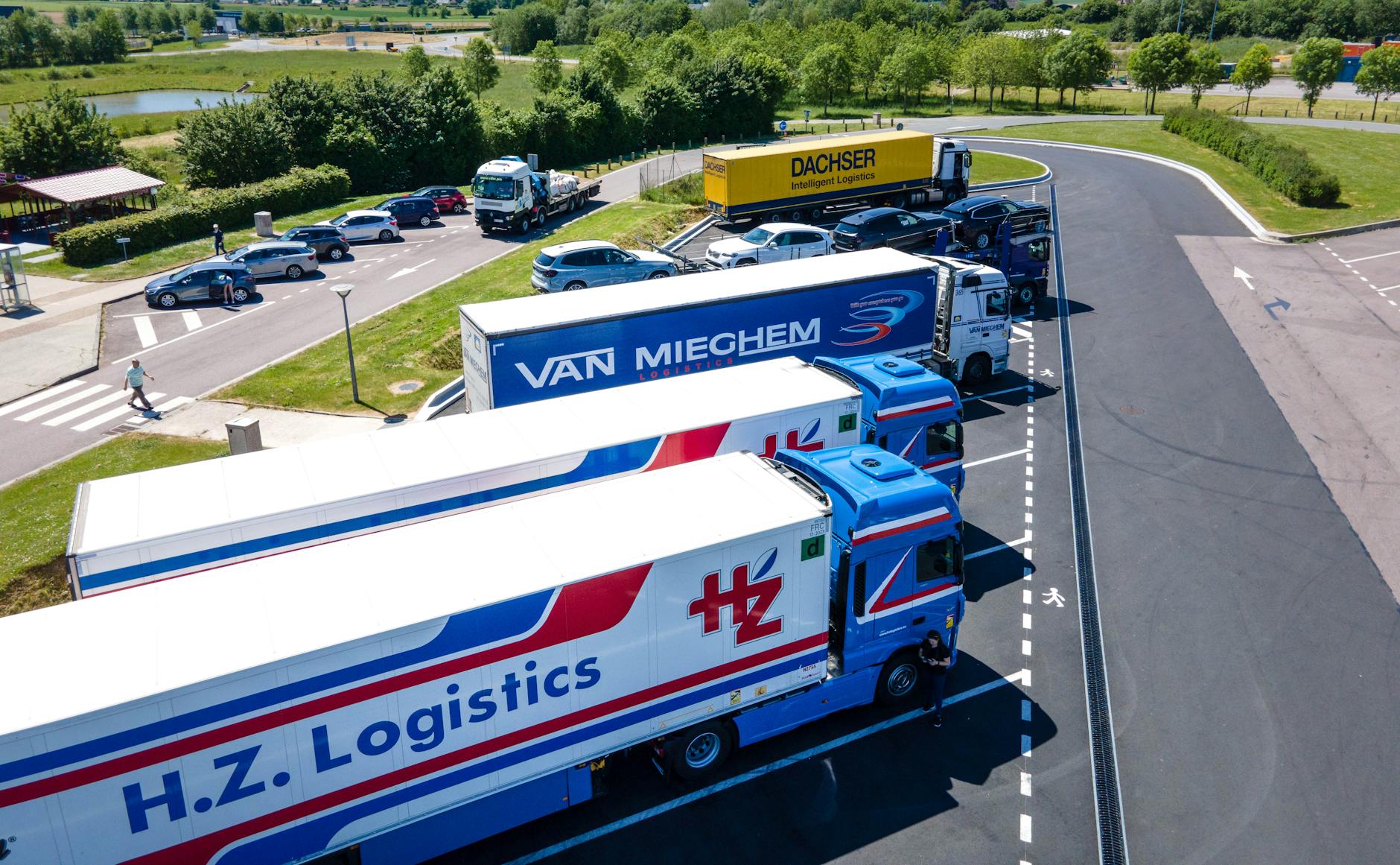
Logistics and distribution challenges often manifest as persistent friction within the movement of goods and information, resisting standard operational fixes. When fulfillment reliability and supply chain continuity falter, the resulting instability threatens the core institutional capacity to meet commitments and preserve margin. For senior leadership, these disruptions are rarely mere tactical failures; they are signals of underlying structural or strategic misalignment.
How it shows up
- Operational errors recur with regularity but are addressed by management as isolated, idiosyncratic events rather than systemic patterns.
- Executive deliberations frequently return to the same distribution hurdles without reaching a definitive resolution or an actionable path forward.
- Key performance indicators trend toward undesirable outcomes or become increasingly difficult for functional heads to explain with clarity.
- Internal workflows are marred by the frequent need to repeat tasks, manage delays, or implement late-stage corrections to delivery failures.
What usually sits underneath
The persistence of these issues typically points to a lack of clear ownership and a deficit in institutional attention. When accountability for business outcomes is diffused across multiple departments, such as procurement, operations, and finance, no single leader possesses the decision rights necessary to effect change. Furthermore, low process maturity and a lack of standardized feedback loops mean that the organization lacks the routines required to detect and correct deviations before they escalate. Without robust data and the proper incentives, logistics remains a reactive function rather than a managed strategic asset.
Questions leadership should ask
- What objective evidence demonstrates that logistics and fulfillment failures are materially eroding financial results or organizational trust?
- Which specific leader is held accountable for the end-to-end fulfillment outcome, and what formal decision rights do they exercise over the value chain?
- Is the current instability a result of a flawed strategy, a gap in execution capability, an inadequate operating model, or external pressures?
- Are senior-level decisions being blocked or repeatedly escalated because the current logistics framework cannot support the broader business objectives?
Common wrong responses
A frequent error among management teams is the narrow pursuit of cost optimization at the expense of systemic health. By focusing exclusively on reducing immediate expenditures, leadership often ignores the critical requirements of resilience, quality, and the risks inherent in supplier dependency. This short-term financial focus can exacerbate instability, leaving the organization vulnerable to minor disruptions that a more balanced approach would have mitigated.
How to approach it
Addressing these challenges requires a shift in perspective, moving away from crisis management toward a multi-dimensional strategic review. This involves analyzing the organization through a supply chain risk map to identify structural vulnerabilities. Leadership must also conduct a rigorous business continuity plan review to ensure that the operating model can withstand external shocks. Finally, a focus on quality and asset reliability analysis provides a lens through which the organization can stabilize its internal processes, ensuring that logistics becomes a predictable driver of reliability rather than a recurring source of risk.
Diagnose this challenge
This brief draws on the structured challenge library in Cogliva, where the challenge can be diagnosed in the context of your organisation. To discuss it directly, see Advisory or Inquire.