Essay · 13 April 2026
Supplier Dependency Risks
Businesses face risks from supplier dependency, which can compromise operational stability despite initial cost savings. This guide advises organizations to assess supplier concentration risks and diversify their supplier base to enhance resilience and continuity. Effective strategies include developing contingency plans and improving supply chain visibility to mitigate disruptions.
Dr. Maralani
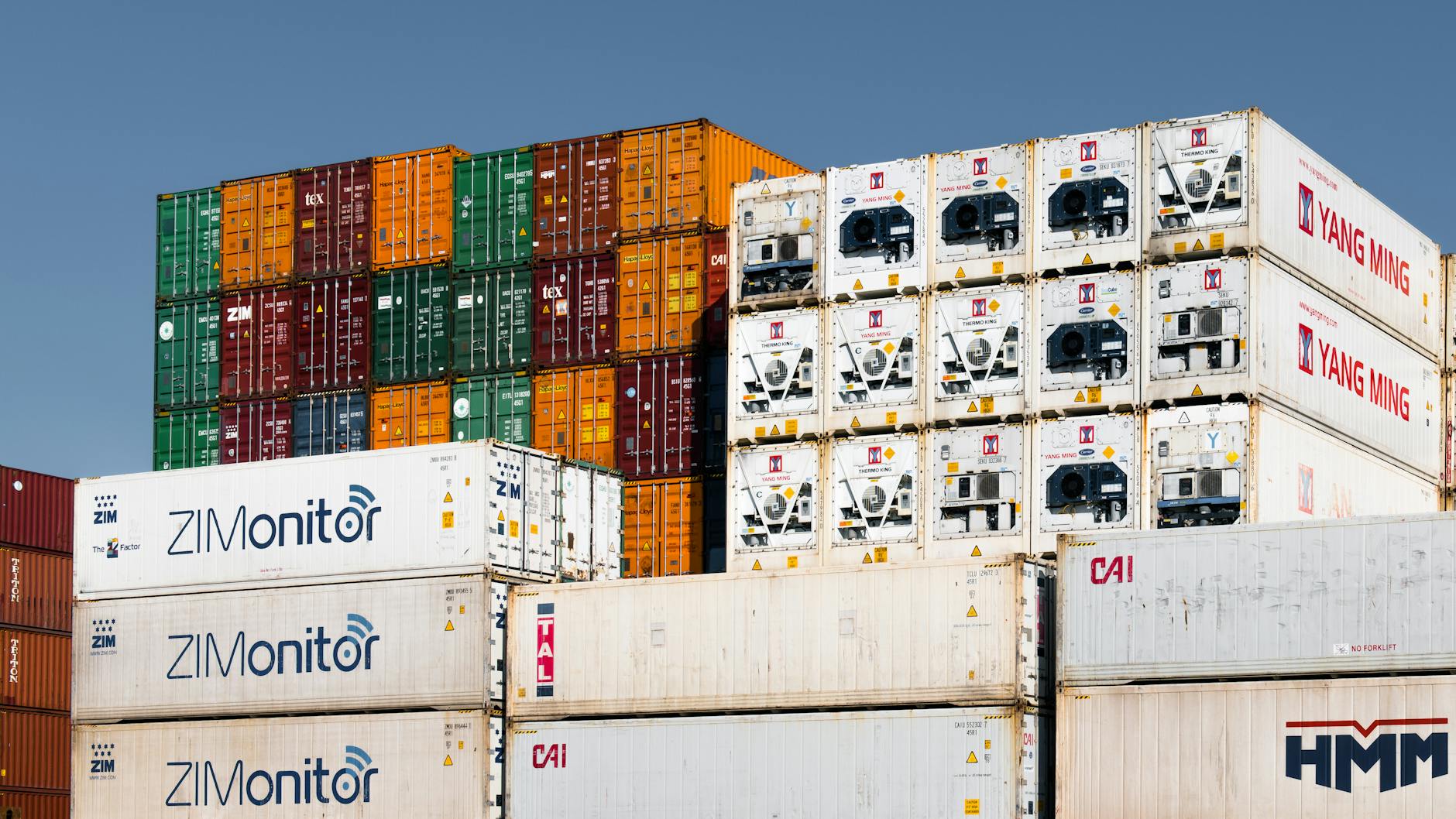
The concentration of operational necessity within a limited group of external partners creates a systemic vulnerability that often remains obscured until a disruption occurs. When critical dependencies are left unmanaged, the organization surrenders its strategic flexibility and exposes its primary value chains to risks beyond its direct control.
How it shows up
- Executive deliberations frequently revisit the same concerns regarding partner reliance without achieving a definitive shift in the risk profile.
- Key performance markers begin to deviate from targets in ways that internal management teams find increasingly difficult to justify or rectify.
- Operational vulnerabilities or failures are identified only after they have caused significant friction or when highlighted by external market pressures.
What usually sits underneath
At the core of this challenge lies a failure to establish clear accountability for the long-term integrity of the supply base. Often, the organization lacks the internal routines or the necessary visibility to detect emerging imbalances before they manifest as crises. This is frequently compounded by a lack of viable alternatives and a lack of incentives for procurement teams to prioritize resilience over short-term metrics. When the true extent of exposure is neither understood nor monitored, the business effectively operates without a safety margin.
Questions leadership should ask
- What specific evidence confirms that our current level of dependency is materially eroding operational results or financial stability?
- Which specific leader is tasked with the mandate to reduce these dependencies, and what formal authority do they possess to reconfigure our sourcing strategy?
- Is our current vulnerability a product of a flawed strategy, a lack of technical capability, or a fundamental misalignment in our operating model?
Common wrong responses
The most frequent error in judgment involves a narrow focus on cost optimization at the expense of structural resilience. By prioritizing the lowest immediate price point, organizations often inadvertently deepen their reliance on single sources of supply. This perspective ignores the broader implications for quality, delivery reliability, and long-term asset health, ultimately trading a manageable expense for an unmanageable risk.
How to approach it
To address these vulnerabilities, leadership must apply three distinct strategic lenses. First, a comprehensive supply chain risk map should be utilized to visualize the architecture of dependencies and identify hidden nodes of failure. Second, a rigorous business continuity review must evaluate the organization’s actual readiness to pivot should a primary partner fail. Finally, a quality and asset reliability analysis provides a technical assessment of whether the current supply base can sustain the requisite performance standards without compromising the integrity of the final output. These lenses transition the conversation from reactive troubleshooting to proactive structural design.
Diagnose this challenge
This brief draws on the structured challenge library in Cogliva, where the challenge can be diagnosed in the context of your organisation. To discuss it directly, see Advisory or Inquire.