Essay · 13 April 2026
Supply Chain Disruptions
Supply chain disruptions pose significant challenges to businesses by affecting delivery and production timelines. These disruptions, stemming from various sources, necessitate organizations to enhance their resilience and adaptability. Companies should develop contingency plans, improve visibility, and explore alternative sourcing options to mitigate impacts and maintain operations effectively.
Dr. Maralani
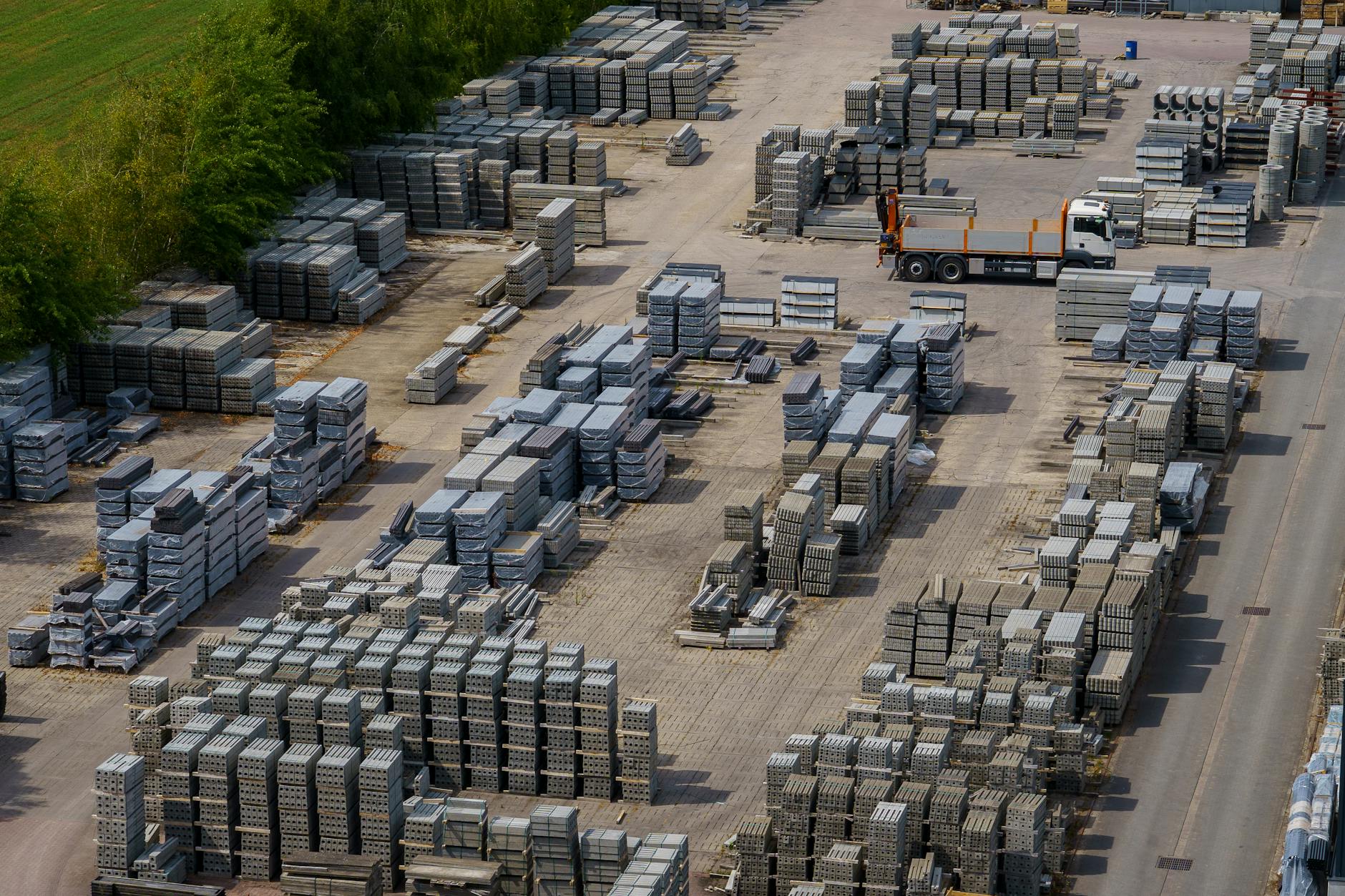
Supply chain disruptions manifest as persistent friction within the flow of goods and information, often appearing as isolated logistical failures rather than systemic vulnerabilities. When these imbalances between demand and supply go unaddressed, they degrade organizational reliability and erode the strategic advantages built through operational efficiency.
How it shows up
- Management cycles are frequently consumed by recurring debates regarding fulfillment and visibility that fail to reach a definitive resolution.
- Key performance indicators trend negatively or become increasingly difficult to interpret, signaling a loss of control over core operational drivers.
- Operational efforts are characterized by redundant workflows, frequent delays, and the necessity for late-stage corrections to satisfy delivery requirements.
- Critical decisions are routinely escalated to senior leadership because the existing framework cannot absorb or resolve localized volatility.
What usually sits underneath
The persistence of these disruptions typically indicates a lack of clear accountability for end-to-end business outcomes and a shortfall in management attention. Often, the organization suffers from low process maturity and a lack of standardized feedback loops, which prevents the early detection of anomalies. Without the proper incentives, routines, or transparent data, the underlying causes—ranging from insufficient ownership to weak evidence-based cultures—remain unaddressed, allowing minor logistical or synchronization issues to metastasize into broader strategic risks.
Questions leadership should ask
- What objective evidence demonstrates that logistics and demand-supply imbalances are materially affecting the financial and reputational health of the enterprise?
- Which specific leader is accountable for the integrity of supply chain visibility, and does that individual possess the decision rights necessary to effect change?
- Is the current instability a result of flawed strategy, lacking internal capabilities, or a fundamental misalignment within the operating model?
- Are our current data routines sufficient to detect and correct synchronization errors before they impact the final delivery to the customer?
Common wrong responses
A frequent error among leadership teams is the pursuit of aggressive cost optimization at the expense of systemic resilience. When organizations focus exclusively on margin preservation, they often inadvertently increase supplier dependency and compromise quality. Categorizing systemic disruptions as mere external pressures leads to a reactive posture that ignores the internal structural shifts required to maintain reliability in a volatile environment.
How to approach it
Resolution requires a multi-dimensional perspective that transcends traditional functional silos. Leaders should first employ a supply chain risk map to identify structural vulnerabilities and dependencies. This is complemented by a comprehensive business continuity plan review to ensure the organization can maintain operations under duress. Finally, a rigorous quality and asset reliability analysis provides the technical foundation needed to stabilize fulfillment. By applying these lenses, the organization moves from reactive troubleshooting to a proactive stance centered on institutional resilience and operational synchronization.
Diagnose this challenge
This brief draws on the structured challenge library in Cogliva, where the challenge can be diagnosed in the context of your organisation. To discuss it directly, see Advisory or Inquire.